🕓 24/7 support · Reply within 1 hourAdmin🌐 EN
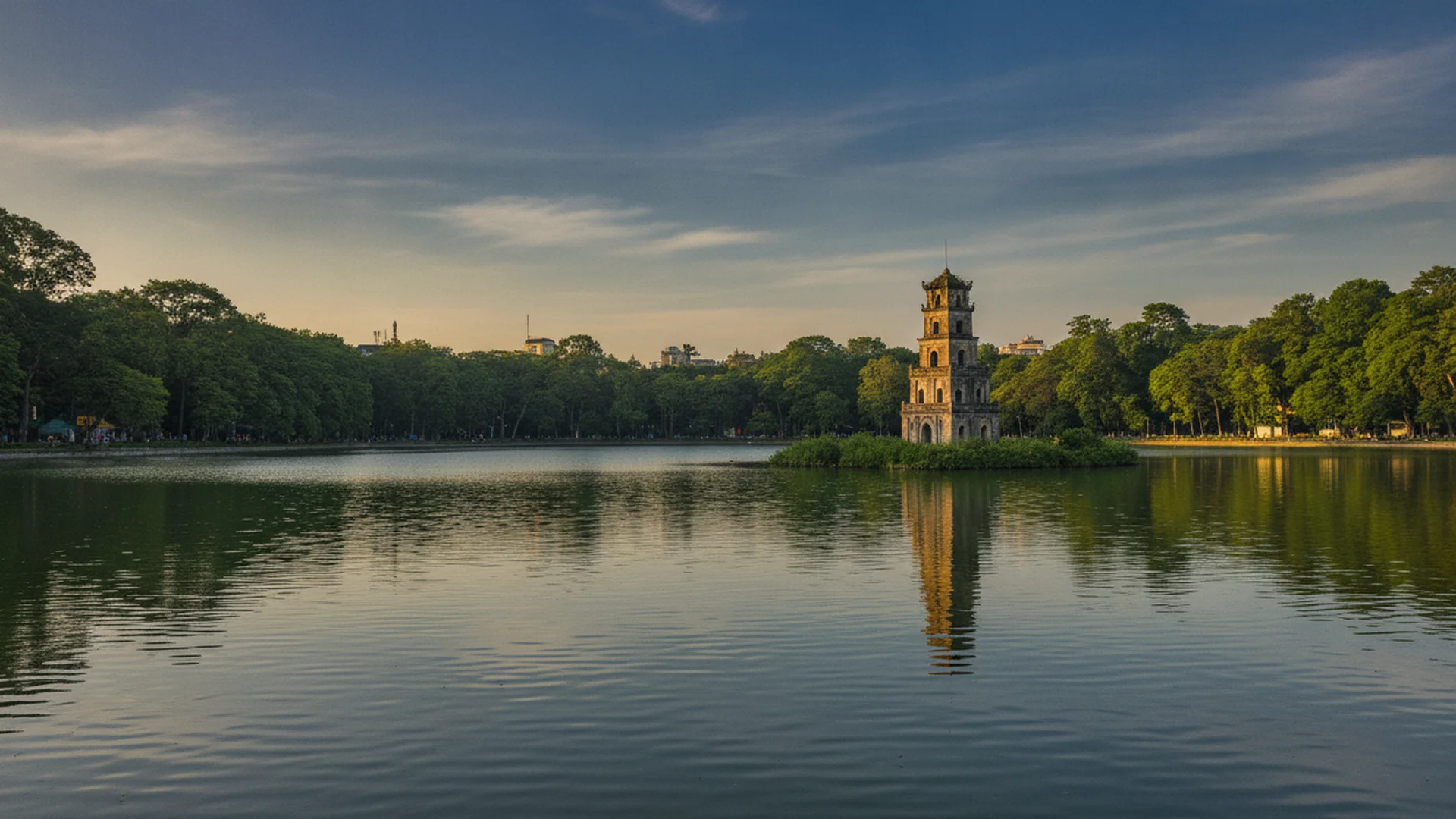
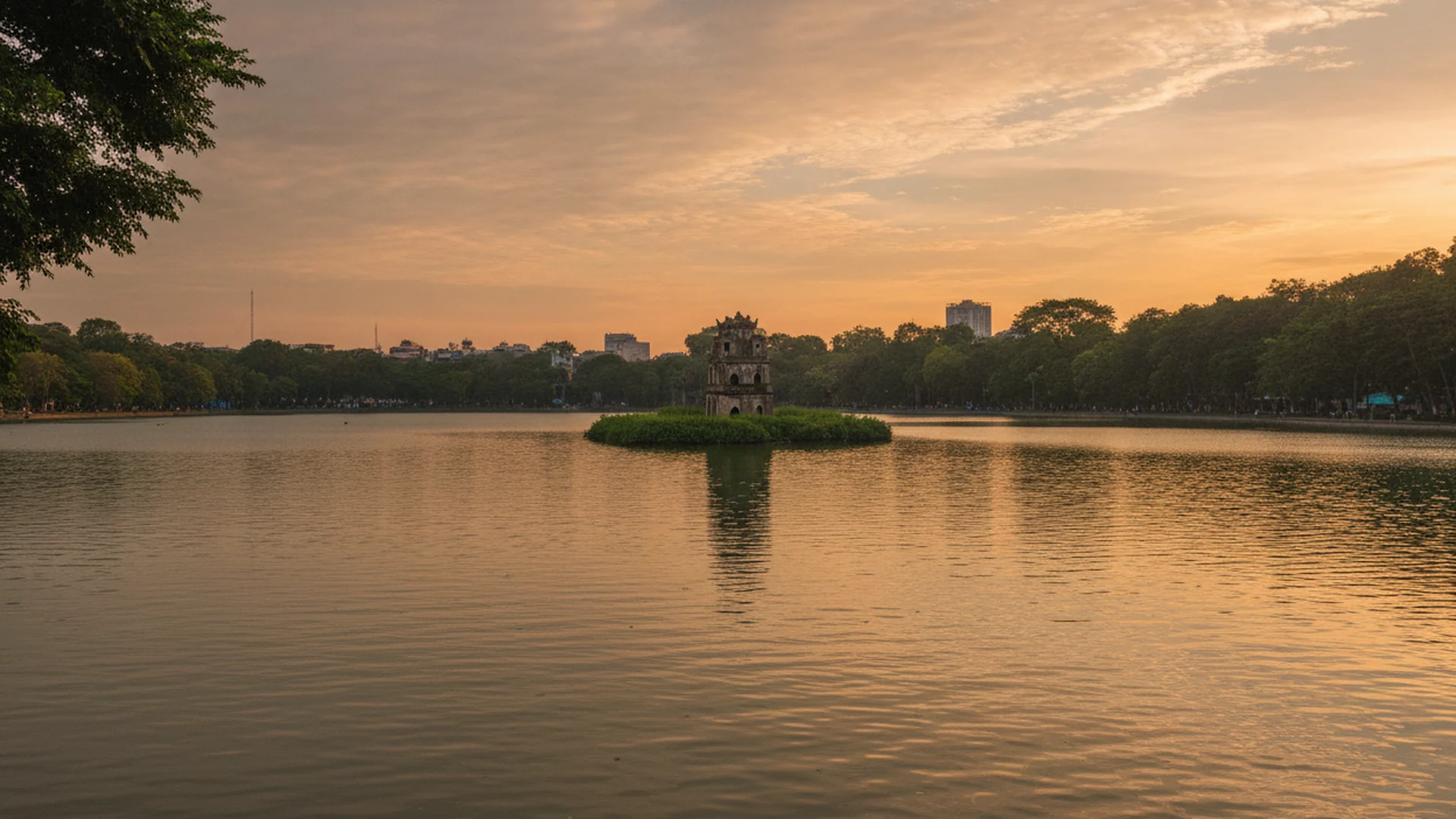
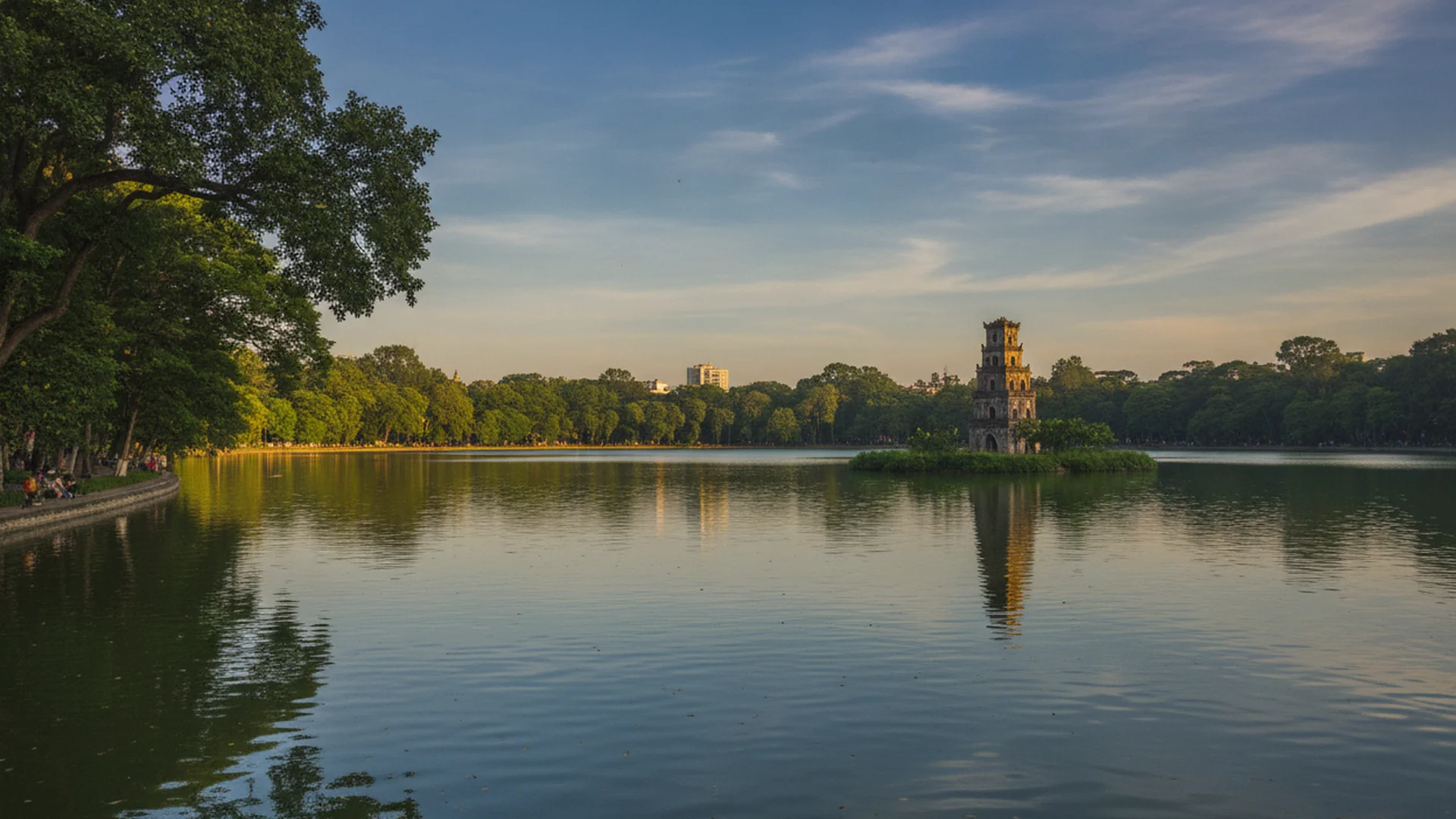
Turtle Tower on Hoan Kiem Lake, Hanoi, mirrored in calm water at dusk
Hanoi · Hotels

Where to Stay in Hanoi: Old Quarter vs French Quarter

Old Quarter buzz or French Quarter elegance? Compare vibes, best streets near Hoan Kiem, walk times, and hotel picks by budget and style.

Turtle Tower on Hoan Kiem Lake, Hanoi, mirrored in calm water at dusk
Hanoi · Hotels📅 Updated 2026-06-21 · last reviewed by Phuong Le📖 9 min readPLPhuong Le15-yr Hanoi history guide
Last reviewed by Phuong Le: 2026-06-21 · Quarterly review

Quick answer

Areas are 1–2 km apart: 10–20 min walk; 5–10 min taxi (30k–60k VND). Old Quarter = lively, noisy, tight lanes; French Quarter = quieter, wide sidewalks by Opera House. Book near Hoan Kiem: Hang Be/Hang Bac/Hang Gai; or Trang Tien/Ly Thai To. Split: 2–3 nights + 1–2.

1–2 km apart; 10–20 min walkOld Quarter: lively, noisy, budgetFrench Quarter: quieter, wide sidewalks, Opera House

Why this guide

🗺️12,000+ trips run since 2011
✍️Written by our Hanoi DMC team, not freelancers
🔄Reviewed quarterly · last update Jun 2026
🛡️Free 48-hour hold · refund-if-cheaper
💬WhatsApp reply within 1 hour

About this guide

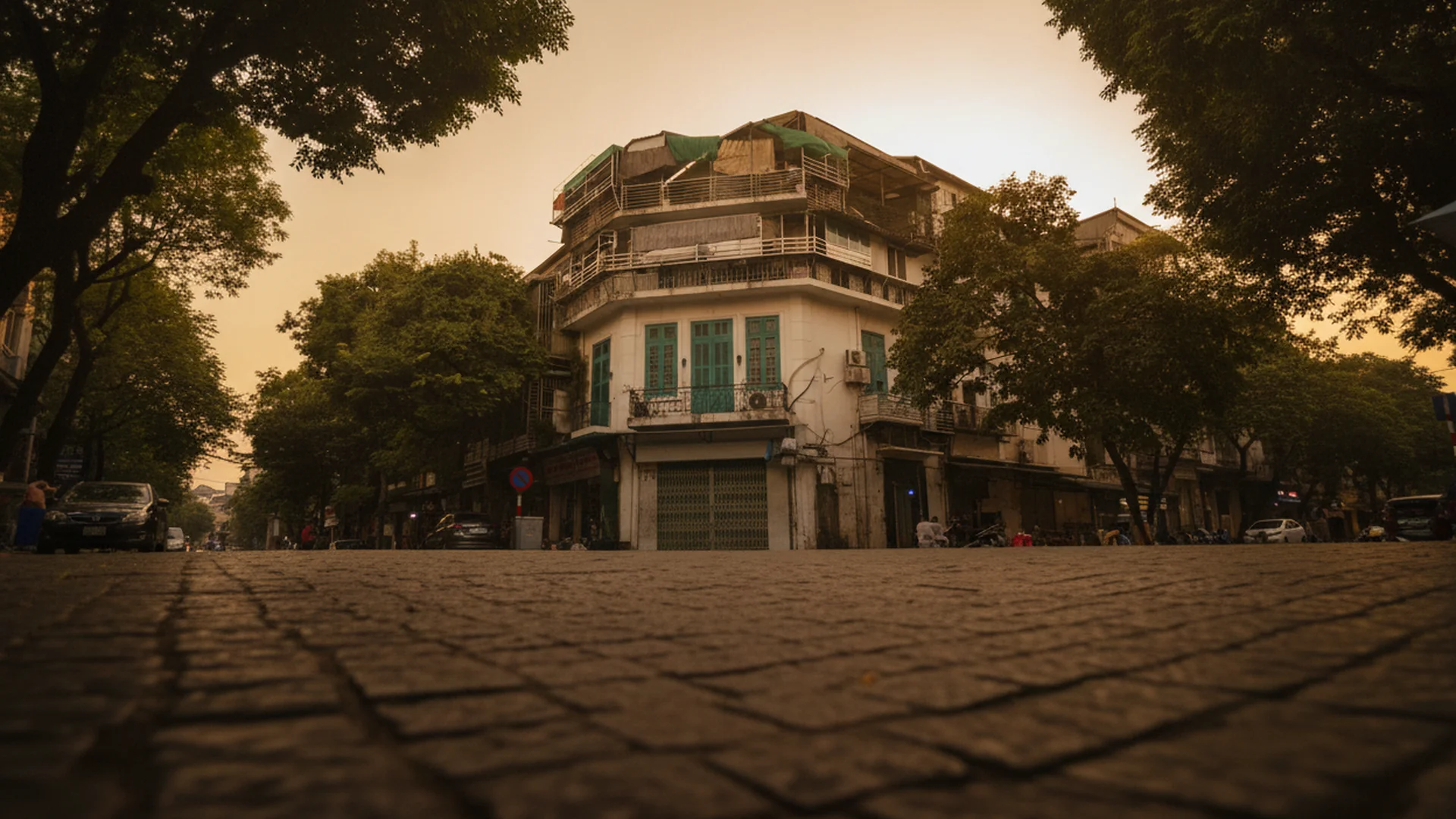
Hanoi's Old Quarter traces its origins to 1010 AD, when Emperor Ly Thai To relocated the capital to Thang Long and craftsmen followed, organizing into trade guilds that named each street after the goods sold there — the origin of the '36 Streets.' A 1995 Ministry of Construction decision fixed the quarter's official boundary at approximately 100 hectares covering 76 streets across 10 wards in Hoàn Kiếm District, north and west of Hoan Kiem Lake. Its narrow 'tube houses,' built deep behind slim facades, were a direct consequence of a Nguyen dynasty tax on street-frontage width; many date to the 18th and 19th centuries and remain structurally intact today.

The French Quarter developed from the 1880s onward when French colonial administrators planned a distinct administrative district using European urban design principles: wide tree-lined boulevards, geometric street grids, and neoclassical civic buildings. Hanoi served as the capital of French Indochina from 1902 to 1945, and much of the construction from that period survives. The quarter covers approximately 800 hectares across the Hoàn Kiếm and Ba Đình districts, sitting south and east of Hoan Kiem Lake. After 1954, many grand mansions were converted to embassies, museums, and hotels, a pattern preserved by ongoing Vietnamese heritage regulations.

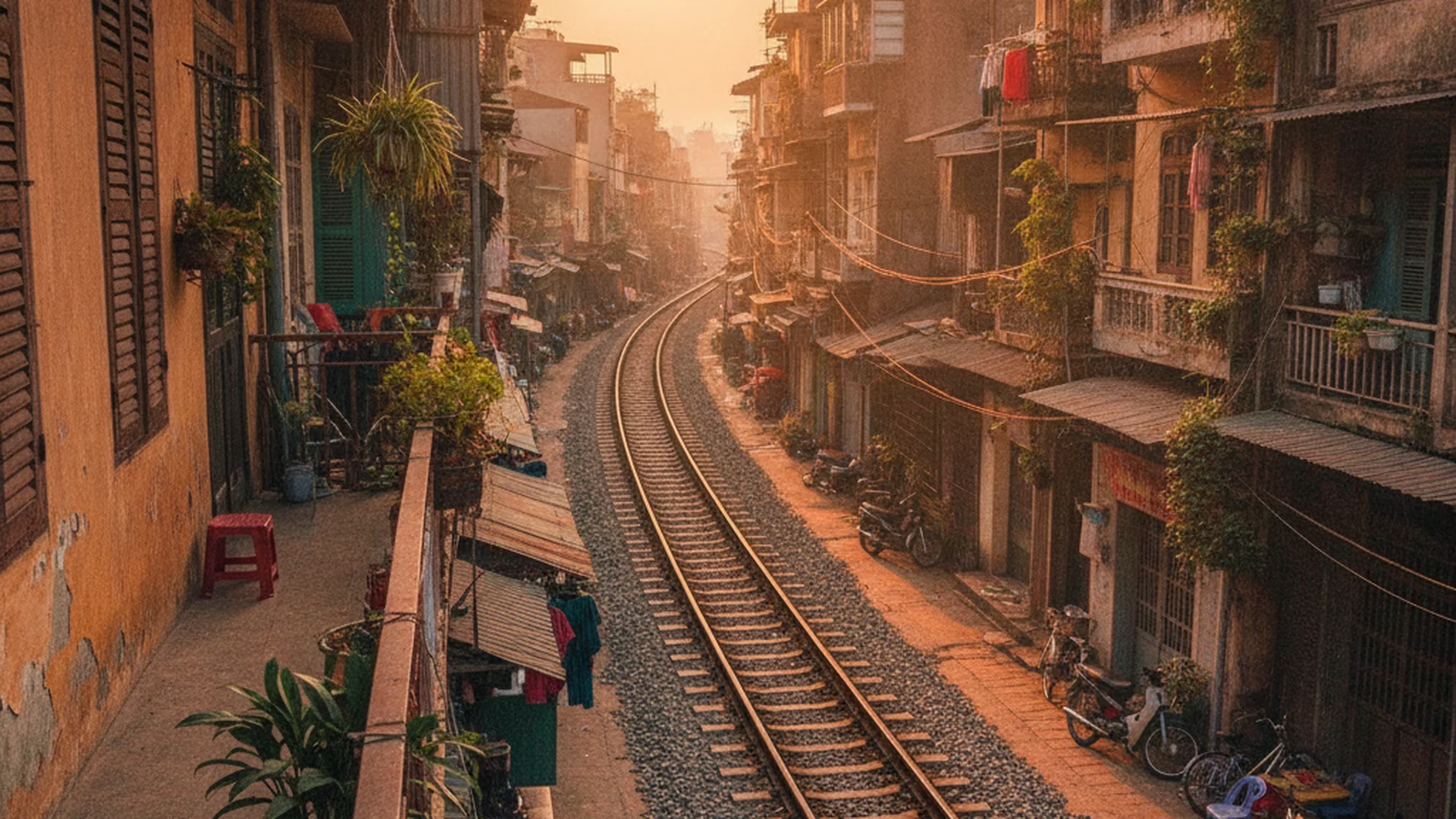
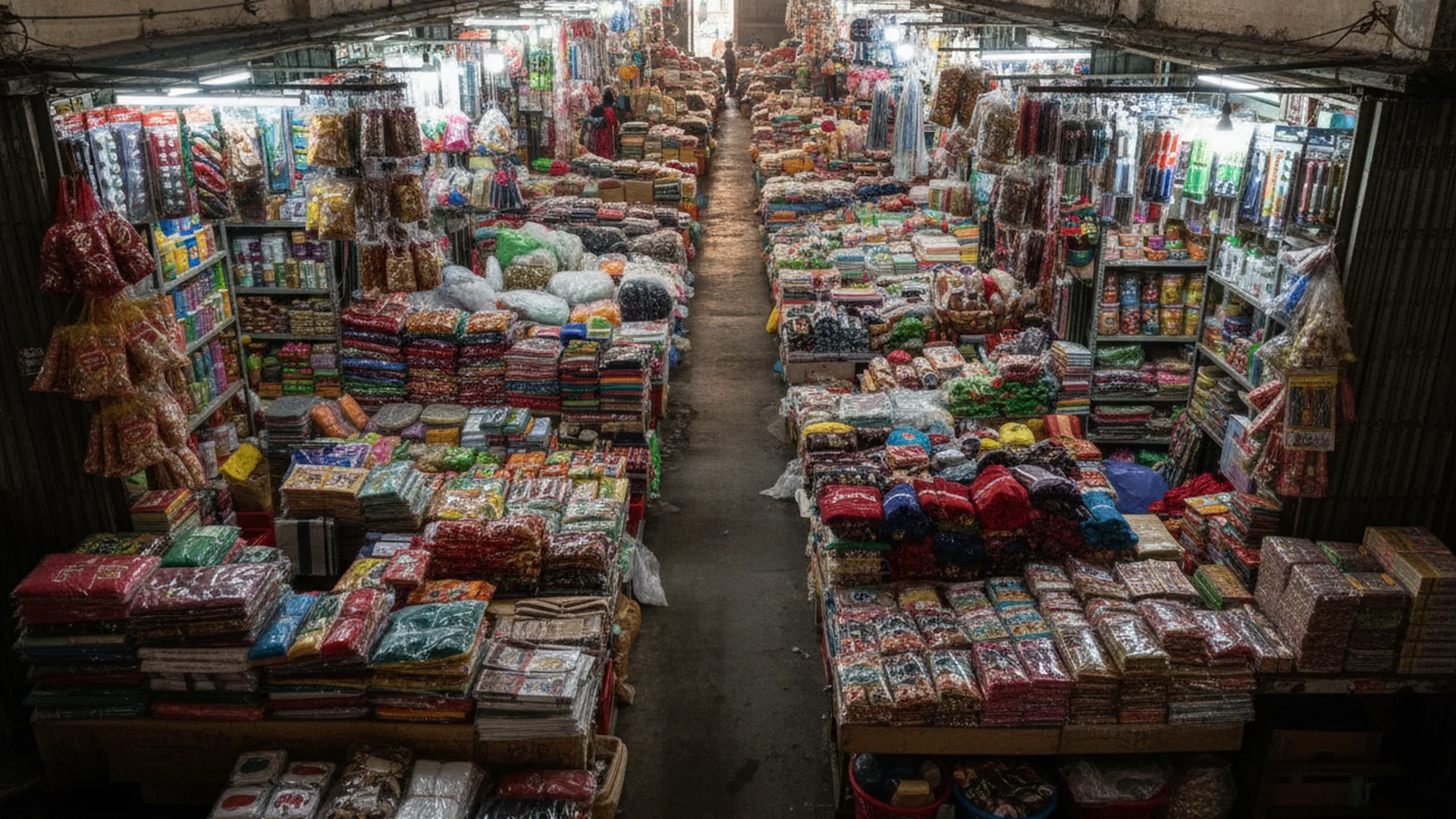
The two quarters share a border along Hoan Kiem Lake, placing them within 10 to 20 minutes of each other on foot. The Old Quarter offers accommodation across a wide range of budgets — from backpacker hostels to boutique hotels — and direct walking access to the Water Puppet Theatre, Train Street, and multiple night markets, plus a pedestrian-only zone around the lake on Friday, Saturday, and Sunday evenings. The French Quarter is quieter and more upscale, making it practical for couples, families, or travellers who prefer a calmer base, though budget options are limited and most major sights require a short Grab ride to reach.

Key facts & good to know

Best time to go
Oct–Apr brings cooler, drier weather to Hanoi; May–Sep is hot and wet with occasional typhoons.
Currency
Vietnamese Đồng (VND). ATMs are widely available; carry cash for street food, markets, and small guesthouses.
Language
Vietnamese is the official language. English is spoken at most hotels and tourist businesses in both quarters.
Time zone
Indochina Time (ICT) — UTC+7. No daylight saving time adjustments.
Dialing code
Country code +84. Drop the leading 0 from local numbers when calling from abroad.
Plug type
Type A, C, and D sockets; 220V/50Hz. Bring a universal adapter — outlets vary even within the same hotel.
Getting around
Old Quarter is walkable. For the French Quarter and beyond, use Grab (ride-hailing app) — metered taxis also operate. Avoid unlicensed motorbike taxis.
Scam note
Agree on fares before boarding cyclos or xe ôm (motorbike taxis). On weekend evenings, the Hoan Kiem pedestrian zone draws crowds — watch bags in tight streets.

Old Quarter vs French Quarter: How do the two areas compare directly?

💡 Quick answer

The Old Quarter offers rooms from $30–80/night in compact tube houses with dense street food access. The French Quarter runs $100–300+/night in larger colonial-era buildings with wide pavements, quieter streets, and embassy-district dining.

Room sizes reflect the architectural origins of each district. Old Quarter tube houses — built narrow to minimise taxable street frontage — typically yield guestrooms of 15–20 sq m, often without windows to the exterior. French Quarter hotels occupy repurposed colonial mansions and purpose-built blocks where 30+ sq m rooms with natural light are standard at three-star level and above.

Street food density is high in the Old Quarter, where vendors operate from early morning through to late night on nearly every block. The French Quarter trades that informality for sit-down restaurants, hotel dining rooms, and the proximity of embassy staff, which tends to raise both quality controls and price points. Noise is the sharpest practical difference: Ta Hien Street (Beer Street) generates noise from 21:00 to 02:00, while the French Quarter's grid avenues remain comparatively quiet after 22:00.

The Old Quarter covers approximately 100 hectares across 10 wards in Hoàn Kiếm District, with organically developed streets named after historic trades. The French Quarter spans approximately 800 hectares across Hoàn Kiếm and Ba Đình districts, laid out on a planned European grid. Both sit within a 10–20 minute walk of Hoan Kiem Lake, which sits between them.

Old Quarter vs French Quarter — Key Metrics at a Glance

MetricOld QuarterFrench Quarter
Typical room size15–20 sq m30+ sq m
Average nightly rate$30–80$100–300+
Pavement conditionBlocked by scooters/vendors; pedestrians use road3-metre wide, largely unobstructed
Noise level (21:00–02:00)High on Ta Hien, Ma May, and main corridorsLow; residential/embassy district
Street layoutDense, organic; 36 trade-named streetsPlanned European grid; wide boulevards
Street food densityHigh — vendors on most blocksLow — primarily sit-down restaurants
Budget accommodationHostels and guesthouses widely availableScarce; mostly mid-range to luxury
District area~100 hectares~800 hectares
Embassy/government presenceMinimalHigh

Nightly rates are indicative mid-range figures; prices vary by season and platform. Room sizes reflect typical stock, not guaranteed minimums.

Destination

Plan a Hanoi trip

Where to stay, when to go, and how to combine the highlights of Hanoi into a paced stopover.

Open the Hanoi guide →

How do tour pickups and airport transfers differ between the two locations?

💡 Quick answer

The Old Quarter is the standard free-pickup zone for shared buses to Halong Bay, Sapa, and Ninh Binh. French Quarter guests usually walk to the Opera House meeting point or pay a private supplement. Airport transfer times differ by roughly 10 minutes.

For DMC and tour operator logistics, the Old Quarter is the designated origin point for the vast majority of shared shuttle services running to Halong Bay, Sapa, and Ninh Binh. Hotels within the defined Old Quarter boundary are included in the complimentary pickup radius; clients staying in the French Quarter are typically directed to meet vehicles at the Hanoi Opera House on Trang Tien Street, or must pay a private vehicle supplement to receive door-to-door collection.

Airport transfers from Noi Bai International Airport take approximately 45 minutes to Old Quarter hotels under normal traffic conditions, compared to approximately 55 minutes to the French Quarter depending on bridge traffic — the route via Nhat Tan Bridge or Chuong Duong Bridge creates variability. This difference is rarely significant for leisure travellers but matters for early-morning departures on tight itineraries.

Clients choosing Old Quarter hotels close to the weekend pedestrian zone should confirm vehicle access windows with their accommodation before arrival. Tour operators running Saturday or Sunday morning departures to Halong Bay or Sapa may need to arrange an alternative meeting point outside the closed zone, adding a short walk for guests.

Weekend Walking Street — Vehicle Access Blocked

From Friday 19:00 to Sunday 23:59, streets surrounding Hoan Kiem Lake in the central Old Quarter are closed to motor vehicles as a pedestrian zone. Hotels within this perimeter cannot be reached by taxi, Grab, or shuttle bus during these hours. Guests arriving or departing on weekend evenings must carry luggage on foot to the nearest open street. Confirm the exact closure boundary with your hotel and notify your DMC pickup coordinator in advance.

Which specific streets are recommended for accommodation, and which carry high noise or flood risks?

💡 Quick answer

Hang Gai and Ly Quoc Su are the quieter Old Quarter options. Ma May and Ta Hien are loud from 21:00 to 02:00. In the French Quarter, Ngo Quyen and Ly Thai To sit close to Hoan Kiem. Verify window availability in any tube house booking.

Within the Old Quarter, Hang Gai and Ly Quoc Su streets offer comparatively lower noise levels — Hang Gai is oriented toward silk shops and attracts less of the drinking crowd, while Ly Quoc Su runs alongside St Joseph's Cathedral in an area that quietens earlier in the evening. Ma May and Ta Hien (Beer Street) are a different matter: the bar and bia hoi culture on Ta Hien generates sustained noise from approximately 21:00 through to 02:00, and Ma May's combination of tourist traffic and proximity to that cluster compounds the issue. Guests who are light sleepers should avoid hotels with street-facing rooms on these two corridors.

In the French Quarter, Ngo Quyen and Ly Thai To provide direct pedestrian access to the southern and eastern shores of Hoan Kiem Lake, placing major landmarks — the Hanoi Opera House, the Sofitel Legend Metropole — within a short walk. These streets are quieter, benefit from the French Quarter's planned-grid setbacks, and have wider footpaths than anywhere in the Old Quarter.

Flooding is a practical risk during the May–October monsoon season. Phung Hung Street, which runs along the western edge of the Old Quarter near the Long Bien railway overpass, is prone to inundation during heavy downpours and is not recommended for accommodation during that period. Separately, a significant proportion of rooms in Old Quarter tube houses have no external window — a structural consequence of the narrow-frontage design. This is not disclosed on many booking platforms; guests should request written confirmation of a windowed room before finalising any reservation.

Street-Level Accommodation Reference — Old Quarter and French Quarter

StreetDistrictNoise Level (night)Flood Risk (monsoon)Notes
Hang GaiOld QuarterLow–MediumLowQuieter corridor; silk-trade street; less bar traffic
Ly Quoc SuOld QuarterLow–MediumLowAdjacent to St Joseph's Cathedral; calmer after 22:00
Ma MayOld QuarterHigh (21:00–02:00)Low–MediumUNESCO heritage house at No. 87; heavy tourist foot traffic
Ta Hien (Beer Street)Old QuarterVery High (21:00–02:00)LowBar hub; sustained noise; not suitable for light sleepers
Phung HungOld QuarterMediumHighNear Long Bien overpass; avoid May–October if possible
Ngo QuyenFrench QuarterLowLowDirect access to Opera House and Metropole hotel
Ly Thai ToFrench QuarterLowLowBorders Hoan Kiem Lake eastern shore; wide pavements

Noise ratings are based on typical evening conditions. Flood risk reflects recorded monsoon-season inundation patterns; individual events vary. Always confirm room window status in writing when booking Old Quarter tube houses.

How long does it take to walk between the Old Quarter and French Quarter?

💡 Quick answer

The two quarters are 0.5 to 1.5 km apart, a walk of 10 to 20 minutes depending on start and end points. The route crosses or skirts Hoan Kiem Lake. Pavement conditions in the Old Quarter slow progress noticeably compared to the French Quarter.

The distance between the two areas ranges from 0.5 km at the closest points near Hoan Kiem Lake to approximately 1.5 km between properties at the outer edges of each quarter. Under normal conditions this translates to a walking time of 10 to 20 minutes. The lake path itself is a common connecting route and is flat throughout.

The experience of that walk differs markedly depending on which side you start. French Quarter pavements are typically 3 metres wide and clear of obstructions, allowing a consistent walking pace. Old Quarter pavements are routinely occupied by parked scooters and street vendor stalls, which pushes pedestrians into the carriageway. This is not a safety concern at low traffic times but requires attention during peak hours and makes the route impractical for pushchairs or mobility aids.

For those who prefer not to walk, Grab car wait times in central Hanoi are generally 3 to 8 minutes during daytime hours. Cyclo (cycle rickshaw) rides between the quarters have a baseline price of 100,000 VND, though drivers typically negotiate upward from that figure with tourists; agree the price before boarding. Electric buggy routes also connect the Old Quarter and French Quarter in the lake vicinity, primarily serving the pedestrian zone on weekends.

Should families, couples, or solo travelers choose different areas of Hanoi?

💡 Quick answer

Families and mobility-restricted travelers suit the French Quarter due to wider pavements, larger rooms, and accessible hotels. Solo budget travelers and backpackers are better placed in the Old Quarter. Couples wanting walkable access to both areas do well near the Cathedral district.

Families traveling with strollers, young children, or members with mobility restrictions face a practical problem in the Old Quarter: pavements blocked by scooters and vendors force movement into traffic, lifts in heritage tube-house hotels are small or absent, and interconnecting family rooms are rare. The French Quarter resolves most of these issues — hotels there tend to be purpose-built or substantially renovated, with larger commercial elevators, wider doorways, and the option of adjoining rooms. The clear pavements on streets like Ngo Quyen and Ly Thai To make independent movement with a pushchair feasible.

Solo budget travelers and backpackers are better served by the Old Quarter, where dorm beds are available and the density of affordable street food means a full day of meals is achievable at low cost without needing transport. The immediate access to the night market, Train Street, and Beer Street also aligns with the typical solo itinerary. The French Quarter offers very little budget accommodation and requires ride-hailing apps to reach most Old Quarter attractions efficiently.

Couples who want walkable access to colonial architecture, lakeside walks, and the street food scene without committing fully to either area's trade-offs are well positioned near St Joseph's Cathedral, where the Old Quarter and French Quarter boundaries effectively converge. Ly Quoc Su and the surrounding streets sit at this intersection, offering quieter evenings than central Old Quarter streets while remaining within 10 minutes of both districts' core attractions.

Attractions

Hanoi attractions & tickets

Pre-purchased entrance tickets, private transfers and certified guides — no queues, no logistics hassle.

Browse Hanoi attractions →
For travel planners & FITs

Building a hanoi itinerary for your clients?

Send us your dates and pace — we return a realistic, booked-and-paced plan with net rates, not a generic template.

Want this tailored to your dates?

We run these routes ourselves. Send your dates, group size and pace and our Hanoi team will build a custom version — with real prices, not estimates.

Frequently asked questions

Which area should I pick for a first visit?
Old Quarter suits travelers who want street food, markets, and short walks to Hoan Kiem Lake and the water puppet theater. French Quarter suits those who prefer wider streets, museums, and larger hotels near the Opera House. Both are central; you can reach major sights in 5–20 minutes by foot or taxi.
How far apart are the Old Quarter and French Quarter, and can I walk between them?
They meet around Hoan Kiem Lake, with core-to-core distance about 1–1.5 km. You can walk it in 15–20 minutes. Taxi or Grab takes 5–10 minutes and costs roughly 20,000–50,000 VND ($0.80–$2).
What are typical hotel prices in each area?
Old Quarter: hostels $6–15, budget hotels $20–40, midrange $40–80, boutique $60–120 per night. French Quarter: midrange $70–120, upscale $120–250+, high-end $200–400+. Prices rise on weekends and holidays (Tet).
Is noise a problem, and how can I get a quiet room?
Old Quarter can be noisy until late, especially near bars and the weekend night market. Ask for a high floor or rear room, and check for double glazing; some rooms have no exterior window. French Quarter streets are generally quieter at night, but main roads still have traffic.
How do I get from Noi Bai Airport to these areas?
Noi Bai is 25–30 km away; taxi or Grab to either area takes 35–60 minutes and costs 250,000–400,000 VND ($10–16). Bus 86 goes to Hoan Kiem Lake and the Opera House for 45,000 VND ($1.80) in 45–60 minutes. Private cars booked through hotels run about 350,000–550,000 VND depending on vehicle size and time of day.
Is it worth splitting my stay between the two?
Yes if you have 3–5 nights. A common plan is 2–3 nights in the Old Quarter for food and markets, then 1–2 nights in the French Quarter for museums and wider streets. Moving hotels is easy by walking or a short taxi ride.
How should I book, and what about cancellation?
Choose a free-cancellation rate if your dates may change; many properties allow no-fee cancellation up to 24–72 hours before check-in. During Tet and peak weekends, policies can be stricter and prepayment may be required. Check details like elevator access (some narrow Old Quarter buildings lack one) before you reserve.
Do tours and shuttles pick up from both areas?
Most day tours and shuttle buses include free pickup from Old Quarter streets. If you stay in the French Quarter, pickup is often at the Opera House or there may be a small surcharge. Confirm your exact pickup point and window (often 7:30–8:30 am) the day before your activity.

People also ask

Where will I find more street food vs sit‑down dining?
Street food is thickest in the Old Quarter around streets like Ta Hien, Hang Buom, and near Dong Xuan Market, with many stalls active at breakfast and from early evening to late night. The French Quarter leans toward cafes, bakeries, and sit‑down Vietnamese or international restaurants, with earlier closing times (often around 22:00).
Is one area safer at night?
Both central districts are busy and generally safe, but pickpocketing can occur in crowds and on nightlife lanes. Keep valuables zipped, use Grab or reputable taxis (e.g., Mai Linh, G7), and mind traffic when crossing. Emergency numbers: police 113, ambulance 115.
Which area is easier for strollers or limited mobility?
The French Quarter has wider sidewalks and more curb cuts, so pushing a stroller or wheelchair is usually simpler. The Old Quarter’s pavements are narrow or obstructed, and some hotels sit in tall, narrow buildings—confirm elevator access if that matters to you.
Are there weekend pedestrian zones or night markets nearby?
Streets around Hoan Kiem Lake become pedestrian‑only from Friday evening to Sunday night, which limits car/taxi access; drop‑offs happen on the perimeter. The Old Quarter night market runs Friday–Sunday evenings (about 18:00–23:00) along Hang Dao–Dong Xuan, adding crowds and street activity.
Which area is closer to key sights like the Opera House, Water Puppet Theatre, and Hoa Lo Prison?
The Water Puppet Theatre sits by Hoan Kiem Lake at the Old Quarter edge (about 5–15 minutes’ walk from most hotels there, 10–20 minutes from the French Quarter). The Hanoi Opera House is inside the French Quarter (5–10 minutes’ walk there, 10–20 minutes from the Old Quarter). Hoa Lo Prison is south of the lake and a bit closer to the French Quarter (about 10–15 minutes’ walk vs. 15–25 minutes from the Old Quarter).
What about parking a car or motorbike at hotels in these areas?
Old Quarter properties often have space for motorbikes but little or no on‑site car parking; cars usually use nearby paid lots or street zones outside pedestrianized hours. French Quarter hotels are more likely to offer on‑site or valet car parking due to wider streets, but availability varies—confirm before booking.

Verified sources

  1. ATL DMC booking log · 12,000+ trips since 2011
  2. Vietnam Tourism — Explore the Old Quarter Your Way · https://vietnam.travel/things-to-do/explore-old-quarter-your-way
  3. Vietnam Tourism — Six Heritage Sites of Hanoi · https://vietnam.travel/things-to-do/hanoi-six-heritage-sites
  4. Wikipedia — Old Quarter, Hanoi · https://en.wikipedia.org/wiki/Old_Quarter,_Hanoi
  5. Vietnam Airlines — Hanoi Old Quarter Guide · https://www.vietnamairlines.com/us/en/plan-book/travel/travel-guide/old-quarter-in-hanoi
  6. Flavors of Hanoi — Hanoi French Quarter History · https://flavorsofhanoi.com/blog/hanoi-french-quarter/
  7. The Sensible Fay — Best Area to Stay in Hanoi · https://thesensiblefay.com/blog/best-area-to-stay-in-hanoi
  8. The Sensible Fay — Guide to Hanoi French Quarter · https://thesensiblefay.com/blog/hanoi-french-quarter

Turn this guide into a trip

The products we actually run for this route — book direct, no OTA markup.

Plan your custom trip with Phuong Le

PL

Phuong Le

Senior guide · Hanoi

Tell us your dates and pace — we'll turn this guide into a realistic, booked-and-paced trip for you, not a generic template.

Plan my trip with our team

About the authors

PL

Phuong Le · primary author

15-yr Hanoi history guide

Specialty: Hanoi · Halong Bay · Vietnam itineraries.

Editorial process: Pacing and picks tested across thousands of ATL trips · reviewed quarterly.

Related travel guides

1× per month · pillar guides + new itineraries

Get our newest pillar guides + quarterly itinerary updates delivered. No spam, no promotions, just travel-guide content. Unsubscribe anytime.

We'll never share your email · GDPR + CAN-SPAM compliant
💬 WhatsApp📞 Call✏️ Quote